




Psychoanalysis Books
Understanding Dreams in Clinical Practice
This book presents a simple, effective and illuminating way of understanding and working with dreams in clinical practice. It describes the mechanisms through which the mind/brain processes our... (more)

Psychoanalytic Psychotherapy After Child Abuse: The Treatment of Adults and Children Who Have Experienced Sexual Abuse, Violence, and Neglect in Childhood
This book presents a coherent and readable narrative review of current views on the effects and role of psychoanalytic psychotherapy in the treatment of children and adults who have experienced... (more)

A Framework for the Imaginary: Clinical Explorations in Primitive States of Being
An extraordinary depiction of one analyst's efforts to receive and respond to the vivid impressions of her patients raw and sometimes even unmentalized experiences as they are highlighted in the... (more)
Freud's Free Clinics: Psychoanalysis and Social Justice, 1918-1938
Many view Sigmund Freud as an elitist whose psychoanalytic treatment was reserved for the intellectually and financially advantaged. This work presents a different picture of Freud and early... (more)

The Dissociative Mind
Drawing on the pioneering work of Janet, Freud, Sullivan, and Fairbairn and making extensive use of recent literature, Elizabeth Howell develops a comprehensive model of the dissociative mind.... (more)

Shame and Sexuality: Psychoanalysis and Visual Culture
Why do human beings feel shame? What is the cultural dimension of shame and sexuality? Can theory understand the power of affect? How is psychoanalysis integral to cultural theory? The experience of... (more)


Listening to Hanna Segal: Her Contribution to Psychoanalysis
How has Hanna Segal influenced psychoanalysis today? Jean-Michel Quinodoz provides the reader with a comprehensive overview of Segal's life, her clinical and theoretical work, and her contribution to... (more)
The Psychoanalytic Therapy of Severe Disturbance
This book presents the proceedings of the of the conference on the Psychoanalytic Therapy of Severe Disturbance held in Belfast in June 2008.
The aim of the conference was to offer a state of the... (more)

Vulnerability to Psychosis: A Psychoanalytic Study of the Nature and Therapy of the Psychotic State
'Franco De Masi is well known for his psychoanalytic work with patients suffering psychotic illnesses. In this book, he addresses the human vulnerability to psychosis, but the modest title of his... (more)

Illusions and Disillusions of Psychoanalytic Work
Illusions and Disillusions of Psychoanalytic Work recounts and explores the disappointing and sometimes tragic evolutions of the treatments of certain patients who are resistant to the effects of... (more)
Putting Theory to Work: How are Theories Actually Used in Practice?
This book contains a continuation and expansion of the topics covered in the author's previous book, Psychoanalysis: from Practice to Theory, about the use of theories in analytic practice. As a... (more)

A Guide to Assessment for Psychoanalytic Psychotherapists
Psychoanalytic psychotherapists and psychoanalysts inevitably find themselves doing assessment in their work, both in private practice and in a clinical setting such as the NHS. The authors felt a... (more)
The Struggle Against Mourning
How does the analyst help the patient to be in touch with pain and mourning? Is the relinquishment of defenses always desirable? And what is the analyst's role in the mourning process - should the... (more)

Conversations with Michael Eigen
These lively conversations provide a unique insight into the mind of one of the most original psychoanalysts of our century. The various subjects covered here spread over a wide range of interest,... (more)

Passion for the Human Subject: A Psychoanalytical Approach Between Drives and Signifiers
Each one of us has to be born "inter urinas et faeces", as St. Augustine so strikingly put it. More recently, Freud's 1915 discovery of 'instincts' - that is, 'drives' - and their 'viscitudes' leads... (more)
Becoming a Person Through Psychoanalysis
What Neville Symington is attempting to do in this book is to trace the pathway along which he has travelled to become a person. This has run side by side with trying to become an analyst. The author... (more)
Yesterday, Today and Tomorrow
Presenting a selection of the author's recent papers, this collection covers a wide spectrum of insights into psychoanalysis, ranging from current thoughts on the nature of dreaming to the psychotic... (more)

Time and Memory
The concern with time permeates Freud's work, from Studies on Hysteria to Analysis Terminable and Interminable, which point out to a network of concepts that indicate Freud's complex theories on... (more)
On Supervision: Psychoanalytic and Jungian Analytic Perspectives
This book comprises papers on the theory and practice of supervision, all written by experienced psychoanalytic psychotherapists and Jungian analytic psychotherapists. Important aspects of the... (more)

The Family and Individual Development
The Family and Individual Development represents a decade of writing from a thinker who was at the peak of his powers as perhaps the leading post-war figure in developmental psychiatry. In these... (more)
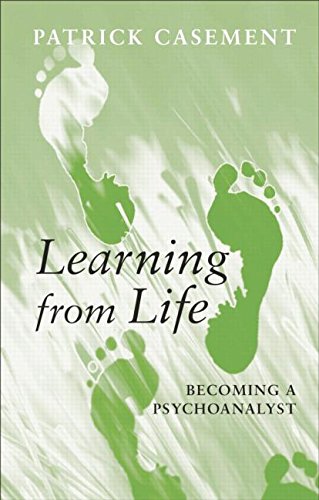
Learning From Life: Becoming a Psychoanalyst
All of life can be a resource for our learning. In his fourth and most personal book, Patrick Casement attempts to understand what he has learned from life, sharing a wide range of those experiences... (more)

The Language of Winnicott: A Dictionary of Winnicott's Use of Words
Jan Abram's lexicon - The Language of Winnicott - has proved to be the definitive comprehensive guide to Winnicott's thought since it was first published in 1996, Winnicott's centenary Year. The... (more)
Psychoanalytic Perspectives on Migration and Exile
In this book Doctors Leon and Rebeca Grinberg provide the first psychoanalytic study of both normal and pathological reactions to migration and to the special case of exile. Drawing on rich clinical... (more)

Lectures on Violence, Perversion and Delinquency
In this volume contemporary staff describe their thinking and clinical work. Theoretical underpinnings for the understanding of perversion and violence, questions of risk and ethics and the... (more)

The Fundamentals of Psychoanalytic Technique
A revised and updated edition of this recent classic, including new material on insight and early development, amongst others. Within each subject, the author presents the theories and observations... (more)
The Unconscious
One of Freud's central achievements was to demonstrate how unacceptable thoughts and feelings are repressed into the unconscious, from where they continue to exert a decisive influence over our... (more)

Love and Its Vicissitudes
In Love and its Vicissitudes Andre Green and Gregorio Kohon draw on their extensive clinical experience to produce an insightful contribution to the psychoanalytic understanding of love. (more)
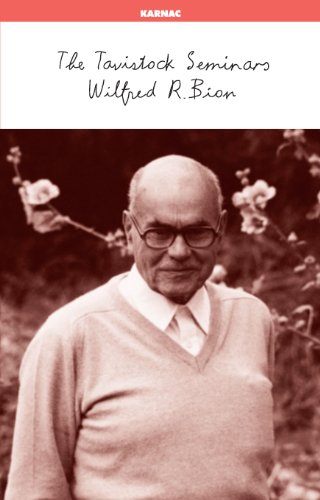
The Tavistock Seminars
Previously unpublished lectures from Wilfred Ruprecht Bion. The book consists of eight talks Bion gave at the Tavistock Clinic between 1976 and 1979. Topics explored include the importance of... (more)
Introducing Psychoanalysis: Essential Themes and Topics
Introducing Psychoanalysis brings together leading analysts to explain what psychoanalysis is and how it has developed, providing an overview of the wide variety of psychoanalytic ideas that are... (more)