



Jung and Analytical Psychology Books
An Archetypal Approach to Death, Dreams and Ghosts
A collection of death dreams and ghost stories were gathered and presented to Jung and the author, who approaches this fascinating material from the depths of her analytic experience. With foreword... (more)
Freud, Jung, Klein - The Fenceless Field: Essays on Psychoanalysis and Analytical Psychology
This work draws together some of Fordham's key writings on psychoanalysis and analytical psychology, including a major new work on the recorded cases of Freud, Jung and Klein, discussing them in the... (more)
Visions: Notes on the Seminar Given in 1930-1934 - Edited by Claire Douglas (2 Volumes)
Jung taught 28-year old Christiana Morgan the trance-like technique of active imagination, helping her embark on a series of archetypal adventures which she depicted in paintings and he recounted his... (more)
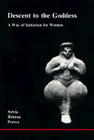
Descent to the Goddess: A Way of Initiation for Women
A pioneer study of the need for an inner female authority in a masculine- oriented society. Interprets the journey into the underworld of Inanna-Ishtar, Goddess of Heaven and Earth, to see... (more)
A Dictionary of Alchemical Imagery:
An invaluable research and reference tool for anyone interested in literary studies, art history, and the history of science. Using a rich variety of alchemical writings from Aquinas to Zoroaster, it... (more)
Cult fictions: C.G. Jung and the founding of analytical psychology
Claims that Jung was a would-be prophet around whom followers gathered in a hero cult have been revived in more extreme terminology, generating a great deal of attendant publicity, by Richard Noll.... (more)
Contemporary Jungian Analysis: Post-Jungian Perspectives from the SAP
Bringing together essays by practitioners in the SAP today, this book should be of interest to students and teachers of analysis and psychotherapy. It offers perspectives on topics such as gender,... (more)
The Adolescent Psyche: Jungian and Winnicottian Perspectives
Drawing on Jung's concept of individuation, Richard Frankel provides an introduction to the theory and practice of adolescent psychology. His advice and guidelines should be of interest to anyone... (more)
The Child: Structure and Dynamics of the Nascent Personality
The Child is an examination of the structure and dynamics of the earliest developments of ego and individuality. In it we progress from the primal relationship of a child and mother through to the... (more)

Jung, His Life and Work: A Biographical Memoir
Published originally in 1976, this work has become a classic retelling of Jung's life and work by one of his most dedicated followers and intimate friends. Now back in print, this work deserves to... (more)
Archetypal Patterns in Fairy Tales
The first new volume of Dr von Franz's legendary Zuerich lectures to be published since 1980. There are in-depth studies of six fairy tales with references to parallel themes in many others.... (more)
Jungian Psychotherapy: A Study in Analytical Psychology
'This book contains an exposition of therapeutic methods used by analytical psychologists. It is based on Jung's own investigations and includes developments in his ideas and practices that others... (more)
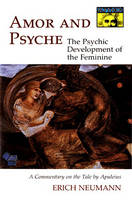
Amor and Psyche: The Psychic Development of the Feminine: A Commentary on the Tale of Apuleius
The renowned tale of Amor and Psyche, from Apuleius' second-century Latin novel The Golden Ass, is one of the most charming fragments of classical literature. Neumann chose it as the exemplar of an... (more)
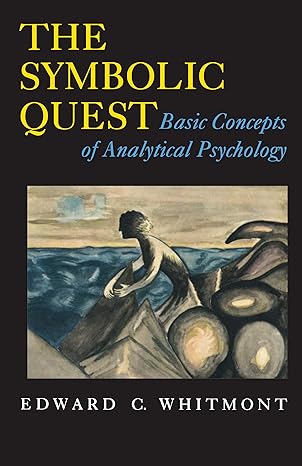
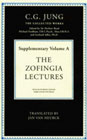
The Zofingia Lectures: Collected Works Supplementary Volume 'A'
The Zofingia Club was a discussion group to which C.G. Jung belonged as a medical student: in 1897 he became Chairman, and gave five lectures. These have survived and are published here in a... (more)
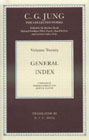
Collected works Vol.20: General index
752p Hardback 1979
Collected Works Vol.14: Mysterium Coniuntionis - An Inquiry into the Separation and Synthesis of Psychic Opposites in Alchemy
Mysterium Coniunctionis was first published in the Collected Works of C.G. Jung in 1963. For this second edition of the work, numerous corrections and revisions have been made in cross-references to... (more)
Collected Works Vol.8: The Structure and Dynamics of the Psyche
The Structure and Dynamics of the Psyche first appeared in the Collected Works in 1960. In this new edition bibliographical citations and entries have been revised in the light of subsequent... (more)

The Sacred Heritage: The Influence of Shamanism on Analytical Psychology
The essays in this book describe the many facets shamanism and analytical psychology have in common: animal symbolism, recognition of the reality of the collective unconsciousness, and rituals of... (more)