




Mick Cooper
Mick Cooper is Professor of Counselling Psychology at the University of Roehampton and a practising counselling psychologist. Mick is author and editor of a range of texts on person-centred, existential, and relational approaches to therapy. Mick has led a series of research studies – both qualitative and quantitative – exploring the processes and outcomes of person-centred counselling with young people, and has published in a range of leading international psychotherapy journals. He is a Fellow of the British Association for Counselling and Psychotherapy and the Academy of Social Sciences.
He is the father of four children and lives in Brighton, on the south coast of England.
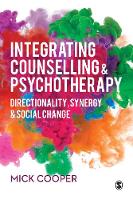
Integrating Counselling & Psychotherapy
This highly practical book presents a model for understanding distress and change in counselling and psychotherapy. It demonstrates the key similarity between different therapeutic approaches:... (more)
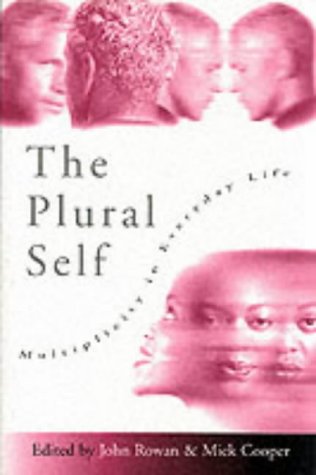
The Plural Self: Multiplicity in Everyday Life
This work on polypsychic thinking presents empirical evidence in support of the polypsychic model and explores its application within a clinical and therapeutic setting. (more)
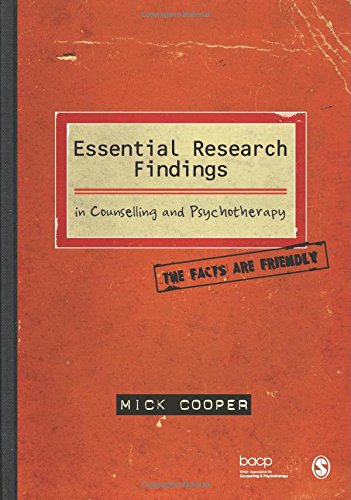
Essential Research Findings in Counselling and Psychotherapy: The Facts Are Friendly
Are some therapies more effective than others? How important is the relationship? Which clients do best in therapy? This book answers these questions and many more, providing trainees, practitioners... (more)
Pluralistic Counselling and Psychotherapy
Mick Cooper and John McLeod pioneer a major new framework for counselling theory, practice and research - the 'pluralistic' approach. This model breaks away from the orientation-specific way in which... (more)
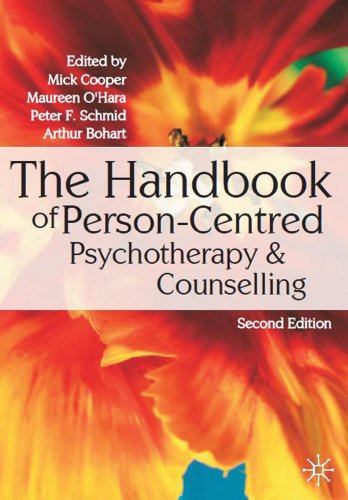
The Handbook of Person-Centred Psychotherapy and Counselling: Second Edition
Building on the success of the first edition, this substantially revised and extended new edition is set to remain the most in-depth and wide-ranging book available on person-centred psychotherapy... (more)

Existential Psychotherapy and Counselling: Contributions to a Pluralistic Practice
This book is for trainees and practitioners across the orientations who wish to incorporate an existential approach into their practice. Using a pluralistic perspective that recognises the diversity... (more)
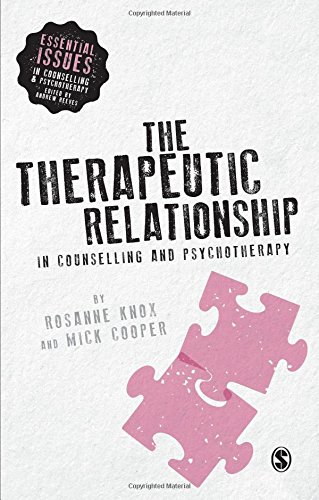
The Therapeutic Relationship in Counselling and Psychotherapy
Unravelling the issues surrounding the therapeutic relationship, this book highlights the importance of the relationship itself, of the client as a proactive agent in the process, and of the need for... (more)
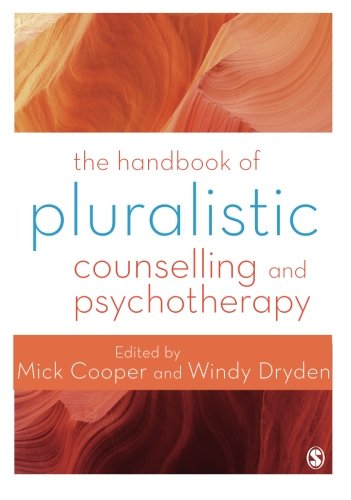
The Handbook of Pluralistic Counselling and Psychotherapy
A practical resource that your students can return to again and again to guide and coordinate their pluralistic practice, it provides:
*Hands-on guidance to developing pluralistic practice:... (more)
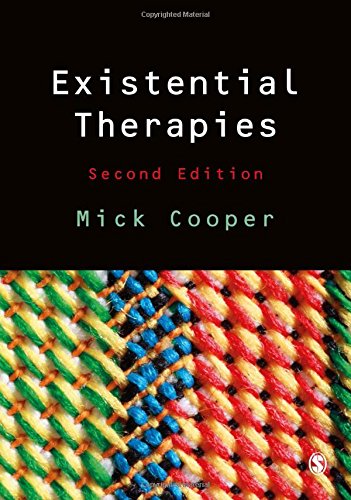
Existential Therapies: Second Edition
What does it mean to practice therapy in an existential way? What are the different existential approaches? What are their strengths and limitations? Focusing on practical, face-to-face work with... (more)
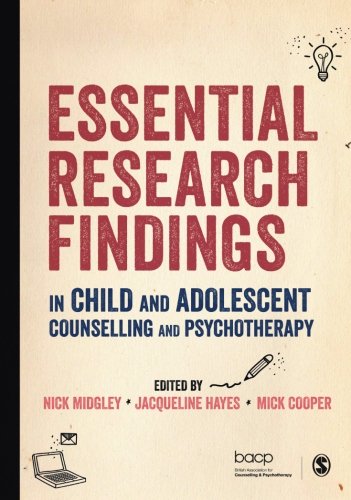
Essential Research Findings in Child and Adolescent Counselling and Psychotherapy
What can child and adolescent counsellors and therapists learn from research? What evidence is there for the effectiveness of different therapies and techniques? How can developmental or neuroscience... (more)
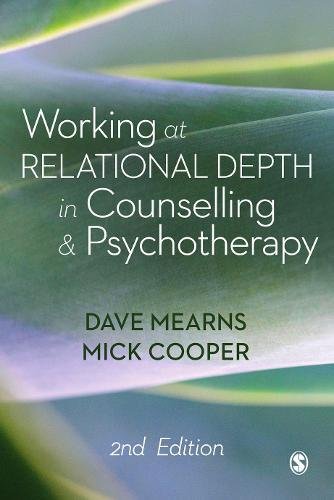
Working at Relational Depth in Counselling and Psychotherapy: Second Edition
Eagerly awaited by many counsellors and psychotherapists, this new edition includes an updated preface, new content on recent research and new developments and debates around relational depth, and... (more)
The Existential Counselling Primer: A Concise Introduction: Second Edition
Part of the PCCS Books bestselling Primers in Counselling series, The Existential Counselling Primer is a concise summary of the philosophical origins of existentialist therapy, existentialist... (more)
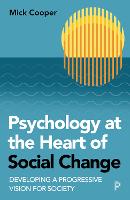
Psychology at the Heart of Social Change: Developing a Progressive Vision for Society
We live in troubled times: climate crisis, war and authoritarian 'populism' are just some of the challenges we are currently facing. Never has there been such a need for a new approach to politics -... (more)
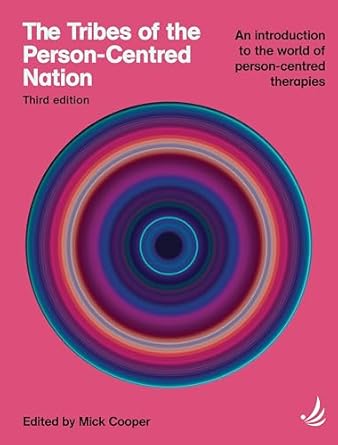
The Tribes of the Person-Centred Nation: An Introduction to the World of Person-Centred Therapies
This classic text, now in its third edition, is essential reading for those training and embarking on a career in counselling. From its origins in the work and research of Carl Rogers in the 1960s to... (more)