



Individual Psychotherapy Books
Close Encounters
This book takes its examples from psychotherapy, psychoanalysis, and couple and family treatment. Experienced therapists Winer's humanizing text helpful in putting their own work and their own... (more)
Intercultural Therapy: Themes, Interpretations and Practice: Second Edition
There are many problems in working psychotherapeutically across cultures, with numerous examples of failure to understand cultural issues. For example, the ignorance of traditional family structures... (more)

Within the wall of denial: Conquering addictive behaviors
Bridging the contrasting methods of confrontation and support, this book presents a perspective on the nature and function of denial. It provides advice on how to relate to people who are trapped by... (more)
Beyond integration: One multiple's journey
This volume focuses on the difficulties and rewards of post-integration work with people with multiple personalities. Doris Bryant (the therapist) and Judy Kessler (the client) show how the adult can... (more)

The Situation is Hopeless, but not Serious: The Pursuit of Unhappiness
This is a tongue-in-cheek look at the ways in which we turn ourselves into our own worst enemies. Using metaphors, vignettes, jokes, innuendoes and other "right-hemispheric" language games, Dr.... (more)
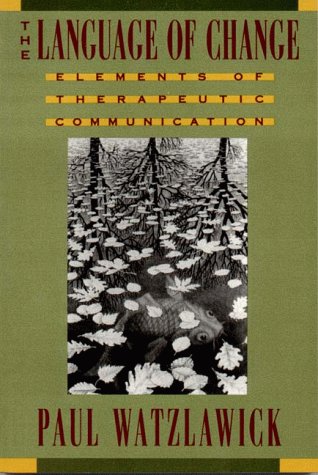
The Language of Change: Elements of Therapeutic Communication
In this book, Paul Watzlawick undertakes to teach the language of the right hemisphere of the brain. Only by communicating in the bizarre language of the unconscious can the door be opened to genuine... (more)
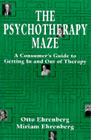
The Psychotherapy Maze
A revised edition of this guide to the practicalities, perils, and rewards of psychotherapy. It offers advice on matters such as choosing a therapist, therapy for different groups, the therapy... (more)
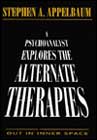
A Psychoanalyst Explores the Alternate Therapies
The major non-psychoanalytic therapies are critically examined from the point of view of U.S. psychoanalysis. An interesting overview of the both the spectrum of therapies available and the future... (more)
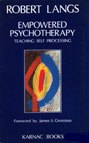
Empowered Psychotherapy: Teaching Self-Processing
'Self-Processing' is Langs' development of self-analysis. He lays down a detailed technique and ground-rules for using this technique in everyday practice, in order to utilise the encoded impulses... (more)
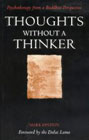
Thoughts Without a Thinker: Psychotherapy from a Buddhist Perspective
This text discusses how Eastern spirituality can enhance Western psychology. It argues that the contemplative traditions of the East help patients go beyond merely recognizing their problems to... (more)
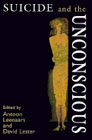
Suicide and the unconscious
This text explores the role of the unconscious in suicidal behaviour. Case studies and examples of dreams and suicide notes are provided, and the assessment and treatment of suicidal patients are... (more)
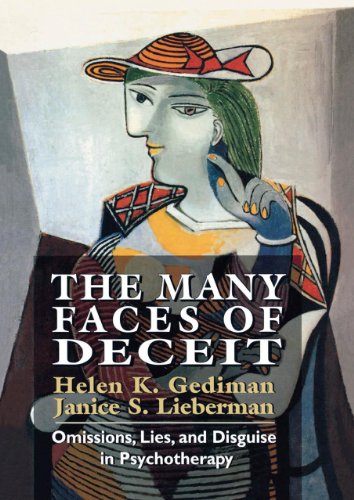
The Many Faces of Deceit: Omissions, Lies, and Disguise in Psychotherapy
This work examines the concept of deceit and its ubiquity - both in everyday life and in various forms of psychopathology. It offers examples of clinical work with true impostors, those with... (more)

Breakdown and Breakthrough: Psychotherapy in a New Dimension.
This is an examination of the essential role of regression in the patient's recovery from mental illness, and a reassessment of the role of the therapist. The author traces psychotherapy back to its... (more)
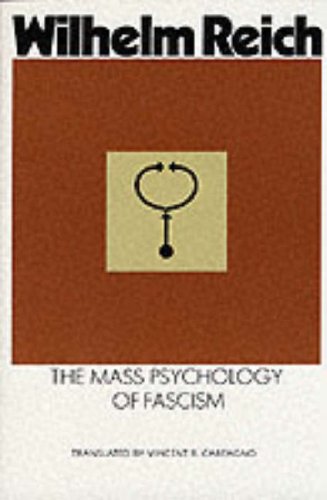
The Mass Psychology of Fascism
In this classic study, Reich provides insight into the phenomenon of fascism, which continues to ravage the international community in ways great and small.
Drawing on his medical experiences... (more)
What's Really Going On Here?
Here are fascinating articles on sex, jealousy, anger, intimacy, loss, food problems, parent/child relationships, sibling rivalry and much more...from Susie Orbach, truly innovative therapist and a... (more)

Object Relations Brief Therapy: The Therapeutic Relationship in Short-Term Work
This book combines practical techniques with the depth of object relations theory, the wisdom of previous brief therapy writers, and, most notably, an emphasis on the unique therapeutic relationship.... (more)
Essential Cognitive Therapy
Cognitve therapy, developed by Aaron Beck in the US in the 1960s, is a structured, time-limited, problem-focused and research based system of psychotherapy which seeks to identify, examine and modify... (more)
The Therapeutic Relationship: Second Edition
A coverage of the uses and abuses of the therapeutic relationship in counselling, psychology, psychotherapy and related fields. It provides a framework for integration, pluralism or deepening... (more)


The Broad Spectrum Psychotherapist
Preserves the best aspects of the psychoanalytic tradition while giving 'hands on' help to the modern, hard-pressed psychotherapist, who works in the mental health service. To ensure that the therapy... (more)